Friday, January 6, 2012

How to Choose Running Shoes


      You need to have optimal training advice and equipment to ensure success in fitness for this new year. One of the most underreported information for the athlete is how to choose running and athletic shoes. Not choosing the right shoes can be detrimental to your performance and even cause injury. So, we have provided you with invaluable information  to make that right decision when purchasing  athletic and running shoes. This is what we  found.

Road Runners or Trail Runners?

Road running shoes are designed for pavement and occasional forays onto packed surfaces with slight irregularities (fire roads, nature trails, wood-chip paths). Light and flexible, they're made to cushion or stabilize feet during repetitive strides on hard, even surfaces.
Trail running shoes are essentially beefed-up running shoes designed for off-road routes. They are enhanced with aggressive outsoles for solid traction and fortified to offer stability, support and underfoot protection. If you routinely encounter roots, rocks, mud, critter holes or other obstacles during runs, choose trail runners.


Tip: If you can't find a trail shoe with the right fit for your running mechanics, it's better to go with a road-running shoe.

Know Your Feet
Foot size: You probably know your shoe size already. But if you're unsure or if one foot is larger than the other, it's best to have your feet measured at REI or other shoe retailer with a Brannock device. (That's the flat metal tool with sliders that measure the length, width and the toe-to-ball length of the foot.).Whenever possible, try the shoe on to see if it fits. Shoe lasts (which determines shoe sizes, described below) vary by manufacturer and even from one shoe model to another. You may need a half-size or even a full size smaller or larger than you think.
Most men wear a D-width shoe while most women wear a B-width. You don't have to wear a gender-specific shoe—the lasts are basically the same. Men: Try a women's shoe if you have a narrow foot. Women: Try a men's shoe if you have a larger or wider foot. If the shoe fits, wear it!
Arch shape: Here's a simple way to find yours. As you get out of the tub, shower or pool, take a look at the footprint you leave on the bathmat or cement. The shape of your footprint will indicate the type of arch you have. Your arch shape affects the way your foot moves as you run.


High arch, normal arch and flat arch


Biomechanics of Running

Your foot shape is closely related to its movement as you walk or run. The typical scenario: With every stride, your heel strikes the ground first. It rolls slightly inward and the arch flattens to cushion the impact. Your foot then rolls slightly to the outside and stiffens to create a springboard to propel your next step.
As runners, however, we each experience different levels of these sideways motions as we stride. The key characteristics:
Pronation is the foot's natural inward roll following a heel strike. Basic (neutral) pronation helps absorb impact, relieving pressure on knees and joints. It is a normal trait of neutral, biomechanically efficient runners.
Overpronation is an exaggerated form of the foot's natural inward roll. It is a common trait that affects the majority of runners, leaving them at risk of knee pain and injury. Overpronators need stability or motion control shoes.
Supination (also called under-pronation) is an outward rolling of the foot resulting in insufficient impact reduction at landing. Relatively few runners supinate, but those who do need shoes with plenty of cushioning and flexibility.
The illustration below shows these mechanics on a runner's right leg:
Types of pronation
How can you be sure which running style is yours? A podiatrist or physical therapist could undoubtedly tell you, but a simpler answer is probably in your closet. If you own a well-used pair of running shoes, check the wear pattern on the soles.

  • If you have a neutral stride, shoe wear is centralized to the ball of the foot and a small portion of the heel.
  • Overpronation is identified by wear patterns along the inside edge of your shoe.
  • Supination is marked by wear along the outer edge of your shoe.

Types of Running Shoes

Cushioning shoes provide elevated shock absorption and minimal medial (arch side) support. They're best for runners who are mild pronators or supinators. Cushioning shoes are also good for neutral runners during off-pavement runs. Reason: Minor irregularities in surfaces such as dirt roads give feet a little variety from the repetitive, same-spot strikes they typically experience on hard surfaces.
Stability shoes help decelerate basic pronation. They're good for neutral runners or those who exhibit mild to moderate overpronation. They often include a "post" (see Shoe Construction 101, below) in the midsole. Due to their extra support features, virtually all trail-running shoes fall in the stability category.
Motion control shoes offer features such as stiffer heels or a design built on straighter lasts to counter overpronation. They're best for runners who exhibit moderate to severe overpronation.
Here are some general guidelines:


PronatorsOverpronatorsSupinators
Foot mechanicsNormal inward rollExcessive inward rollExcessive outward roll
Foot shapeLow archFlat foot to low archMedium to high arch
Shock absorption in stride GoodGoodPoor
Recommended shoe last Semi-curved StraightCurved
Recommended type of shoe Stability Motion Control Cushioning


Shoe Construction 101

Uppers

This refers to the upper part of the shoe above the sole.
  • Synthetic leather is a supple, durable, abrasion-resistant material derived principally from nylon and polyester. It's lighter, quicker drying and more breathable than real leather. Plus, it requires no (or very little) break-in time and therefore reduces the chance of blisters.
  • Nylon and nylon mesh are durable synthetic materials most commonly used to reduce weight and boost breathability.
  • TPU (thermoplastic urethane) overlays are positioned over the breathable shoe panels (such in the arch and the heel). These small, abrasion-resisting additions help enhance stability and durability.
  • Waterproof/breathable uppers (e.g., Gore-Tex XCR or eVent) use a membrane bonded to the interior of the linings. This membrane blocks moisture from entering while still allowing feet to breathe. Shoes made with these membranes keep feet dry in wet environment with a slight trade-off in breathability.

Midsole Technology

Anatomy of a running shoe
The midsole is the cushioning and stability layer between the upper and the outsole.
  • Synthetic leather is a supple, durable, abrasion-resistant material derived principally from nylon and polyester. It's lighter, quicker drying and more breathable than real leather. Plus, it requires no (or very little) break-in time and therefore reduces the chance of blisters.
  • EVA (ethylene vinyl acetate) is a type of foam commonly used for running-shoe midsoles. Cushioning shoes often use a single layer of EVA. Some will insert multiple densities of EVA to force a particular flex pattern.
  • Posts are areas of firmer EVA (dual-density, quad-density, multi-density, compression-molded) added to create harder-to-compress sections in the midsole. Often found in stability shoes, posts are used to decelerate pronation or boost durability. Medial posts reinforce the arch side of each midsole, an area highly impacted by overpronation.
  • Plates are made of thin, somewhat flexible material (often nylon or TPU) that stiffens the forefoot of the shoe. Plates, often used in trail runners, protect the bottom of your foot when the shoe impacts rocks and roots.
  • Shanks stiffen the midsole and protect the heel and arch. They boost a shoe's firmness when traveling on rocky terrain. Ultralight backpackers often wear lightweight trail runners with plates for protection and shanks for protection and support.
  • TPU (thermoplastic urethane) is a flexible plastic used in some midsoles as stabilization devices.

Shoe Lasts

The "last" refers both to the shape of a shoe and also the form, or mold, around which a shoe is constructed.
When referring to the shape of a shoe:
  • A straight last is appropriate if you are an overpronator or have a flexible, flat arch. It helps to control inward motion.
  • A curved last is designed for underpronators with rigid, high arches. The curved shape promotes inward motion.
  • A semi-curved last represents the middle ground. It is appropriate for neutral pronators.
Types of shoe lasts
When referring to the shape of a shoe:
  • Board-lasted shoes are made with a piece of stiff fiberboard glued to the upper and then to the midsole/outsole. These shoes offer the stability and motion control needed by over-pronators.
  • Slip-lasted shoes are made by sewing the upper into a sock which is then glued directly to the midsole/outsole without any board in-between. These are flexible and well cushioned for the supinator.
  • Combination-lasted shoes feature board-lasting in the rear half for motion control and support, which slip-lasting in front for cushioning and flex. This is the most common approach and can be used a wide range of foot types.

Other Shoe Components

  • Heel counter: This refers to the rigid structure around the heel. It provides motion control and is sometimes supplemented with a heel wedge, which adds support and cushioning to the heel. It can help those runners who are bothered by Achilles tendonitis.
  • Medial post or torsion bar: These are located on the sides of shoes to help control excessive inward or outward motion. They are designed for the over-pronator or supinator.
  • Outsole: The outsole is where the rubber meets the road, so to speak. Most road shoes are made with carbon rubber's hard, durable material in the heel. Blown rubber—which provides more cushioning—is often used in the forefoot. Trail runners tend to have all carbon rubber outsoles to better withstand trail wear, while road racing shoes are frequently all blown rubber to reduce weight.

Fit and Lacing Tips

When trying shoes on:
  • Try on shoes at the end of the day. Your feet normally swell a bit during the day's activities and will be at their largest then. This helps you avoid buying shoes that are too small.
  • If you wear orthotics, be sure to bring them along. They impact the fit of a shoe.
  • Consider custom footbeds (insoles) such as Superfeet. Shoe manufacturers tend to provide generic insoles with their shoes since many runners use orthotics or, increasingly, custom footbeds. By using a custom footbed, you get improved cushion, stability and a better fit. These are great for people with back problems or who run long distances.
Lacing techniques for various foot types:
Types of lacing techniques

What About Barefoot Running?

While wearing shoes seems entirely logical and comfortable, a January 2010 study published in the Nature International Weekly Journal of Science argues that running barefoot may actually reduce injuries. This makes some sense when you consider that for most of human history, runners ran barefoot.
The Nature article notes that when wearing running shoes, one tends to hit the ground heel first. This is because a shoe heel has an elevated cushion. However, with barefoot runners, it is the mid-foot or forefoot that strikes the ground first. This more-natural foot strike is believed to cause less impact and thus fewer impact-related running injuries.

A Solution: Minimalist Shoes

Vibram FiveFingers Of course, running barefoot is hard on tender feet, especially when on rough surfaces. If you're interested in trying barefoot running, first consider minimalist shoes such as Vibram FiveFingers. They are made of a thin, abrasion-resistant polyamide stretch fabric with individual toe slots that look like your foot. They are designed to fit the contour and shape of your foot and let it move naturally. They are worn directly against the sole of the foot. Customer reviews on REI.com have been overwhelmingly positive.
Also minimalist but with a more substantial platform is the Vibram Bikila. It offers traction for a variety of surfaces, an EVA arch that follows the contour of the foot and a polyurethane footbed for reducing packing over time.
New to barefoot running or minimalist shoes? Our advice is to start out slowly, then gradually increase your time and distance so your feet get used to using different muscles.

Now, you will be able to know what to look for when purchasing athletic shoes for your fitness routines. Thanks to rei.com with that in depth information for us to use.If you would like to contact us with any questions or feedback, you can reach us by email. 

Thank you for visiting! 
Joseph A. Jones & The WellLife Team 

Tuesday, December 13, 2011

Finding Ways to Exercise During the Holidays


Don't Blow it. You have shown great discipline on exercise and diet to feel good and healthy. You want to enjoy the holidays in all what it offers. However, you do not want to wreck all that work you invested. All is not lost. There is ways to exercise during the holidays so you can stay healthy. Our friends at about.com has found out ways to do just that. Here are their suggestions:


Plan Ahead
If you're traveling, planning ahead can make all the difference. Take some time to figure out what your options are so you're ready for anything. Just a few ideas:
  • Search for walking, running or park trails nearby
  • Look up information about the hotel you're staying at and find out if they have an exercise room
  • If you're staying with family, ask if they have any fitness equipment
  • If that's not an option,find any nearby gyms and,ask if they let guests use their facility
  • Talk to your family in advance and suggest taking a walk or doing something active together
  • If they aren't into fitness, call them before you visit to tell them you want to squeeze in a workout. Ask what they recommend so that you don't interfere with family plans or hurt their feelings if you take time away from them for a workout.
 Try to plan your workout schedule beforehand. Even if you have to change it (which is likely when you're traveling), you've already made a commitment to exercise. It's easier to stick with it when you have it planned than to squeeze it in later.


Get Prepared
If you're not sure about your schedule or whether you'll even have time to get in a workout, plan for the worst-case scenario. That may be staying in grandma's basement with no equipment and only 10 or 15 minutes to yourself. Try these quick tips for squeezing in a workout even when you only have minutes to spare:

  • Bring a workout plan with you. Plan a 10-minute routine you could do right in your bedroom. For example, you could choose 10 exercises and do each for 1 minute (squats, lunges, pushups, jumping jacks) or check out the holiday workouts below for other ideas.
  • Bring resistance bands. They travel well and you can use them for quick strength exercises whenever you catch a few minutes.
  • If you have a laptop, bring along a workout DVD or try streaming workouts online such as those offered by demandfitness.
  • If guests are staying with you, move your equipment (weights or bands) into your bedroom so you can sneak in some exercise at night or in the morning.
  • Wear your running or walking shoes as much as you can. You may find a 20-minute window when people are napping or before dinner for a quick walk or run.
  • You may even want to invite some family members for a walk. Sometimes there are others who'd love to workout, but they're just waiting for someone else to step up first.
Use Every Opportunity
Planning and preparing are nice, but even the best-laid plans get derailed, especially during the holidays. If you find there's just no way to get in a workout, get creative and find ways to move your body any way you can:
  • Walk as much as possible. Take extra laps at the mall, use the stairs, volunteer to walk the dog.
  • If you're hanging out with kids, set up a game of football, tag or hide and seek.
  • Offer to help with the housework, shoveling snow or raking leaves.
  • If everybody's sitting around watching football, get on the floor for some situps or pushups. If that's too weird, try isometric exercises -- squeeze and hold the abs, the glutes or even press the hands together to engage the chest.
  • If you don't have equipment, pick up some full water bottles or soup cans for quick lateral raises or overhead presses. Something is always better than nothing. 
Remember, try to use some of these suggestions to keep fit during the hectic holiday season.If you would like to contact us with any questions or feedback, you can reach us by email. 

Thank you for visiting! 
Joseph A. Jones & The WellLife Team 

    Wednesday, November 30, 2011

    Learning To Stretch Properly


    Should you stretch or not?  So many studies  show either the benefit or harm in stretching. We want to know if we should stretch  and what kind of stretching is safe. Thankfully, The Mayo Clinic Staff has done an excellent job in explaining stretching and what kind of stretches you can do.


    Stretching may take a back seat to your exercise routine. You may think that stretching your hamstrings and calves is just something to be done if you have a few extra minutes before or after pounding out some miles on the treadmill. The main concern is exercising, not stretching, right?
    Not so fast. Although studies about the benefits of stretching are mixed, stretching may help you improve your flexibility, which in turn may improve your athletic performance and decrease your risk of injury. Understand why stretching can help — and how to stretch correctly.

    Benefits of stretching

    Studies about the benefits of stretching have had mixed results. Some show that stretching helps, while others show that stretching has little if any benefit. The main benefits of stretching are thought to be:
    • Improving athletic performance
    • Decreasing the risk of activity-based injuries
    Stretching can help improve flexibility. And better flexibility may improve your performance in physical activities or decrease your risk of injuries by helping your joints move through their full range of motion. For instance, say your Achilles tendon is tight and lacks flexibility. If you do a lot of hill walking, your foot may not move through its full range of motion. Over time, this can increase your risk of tendinitis or tendinopathy in your Achilles tendon. Stretching your Achilles tendon, though, may improve the range of motion in your ankle. This, in turn, can decrease the risk of microtrauma to your tendon that can lead to overload and injury.
    Stretching also increases blood flow to the muscle. And you may come to enjoy the ritual of stretching before — or better yet, after — hitting the trail, ballet floor or soccer field.

    Stretching essentials

    Before you plunge into stretching, make sure you do it safely and effectively. While you can stretch anytime, anywhere — in your home, at work, in a hotel room or at the park — you want to be sure to use proper technique. Stretching incorrectly can actually do more harm than good.
    Use these tips to keep stretching safe:
    • Don't consider stretching a warm-up. You may hurt yourself if you stretch cold muscles. So before stretching, warm up with light walking, jogging or biking at low intensity for five to 10 minutes. Or better yet, stretch after you exercise when your muscles are warmed up. Also, consider holding off on stretching before an intense activity, such as sprinting or track and field activities. Some research suggests that pre-event stretching before these types of events may actually decrease performance.
    • Focus on major muscle groups. When you're stretching, focus on your calves, thighs, hips, lower back, neck and shoulders. Also stretch muscles and joints that you routinely use at work or play. And make sure that you stretch both sides. For instance, if you stretch your left hamstring, be sure to stretch your right hamstring, too.
    • Don't bounce. Bouncing as you stretch can cause small tears in the muscle. These tears leave scar tissue as the muscle heals, which tightens the muscle even further, making you less flexible and more prone to pain. So, hold each stretch for about 30 seconds. Repeat each stretch three or four times.
    • Don't aim for pain. Expect to feel tension while you're stretching, not pain. If it hurts, you've pushed too far. Back off to the point where you don't feel any pain, then hold the stretch.
    • Make stretches sport specific. Some evidence suggests that it's helpful to do stretches tailored for your sport or activity. If you play soccer, for instance, you're more vulnerable to hamstring strains. So opt for stretches that help your hamstrings.
    • Keep up with your stretching. Stretching can be time-consuming. But you can achieve the best benefits by stretching regularly, at least two to three times a week. If you don't stretch regularly, you risk losing any benefits that stretching offered. For instance, if stretching helped you increase your range of motion, and you stop stretching, your range of motion may decrease again.
    • Bring movement into your stretching. Gentle movement can help you be more flexible in specific movements. The gentle movements of tai chi, for instance, may be a good way to stretch. And if you're going to perform a specific activity, such as a front kick in martial arts, do the move slowly and at low intensity at first to get your muscles used to it. Then speed up gradually as your muscles become accustomed to the motion.

    Know when to exercise caution

    In some cases, you may need to approach stretching with caution. If you have a chronic condition or an injury, you may need to adjust your stretching techniques. For example, if you already have a strained muscle, stretching it may cause further harm.
    Also, don't think that because you stretch you can't get injured. Stretching, for instance, won't prevent an overuse injury. Talk to your doctor or physical therapist about the best way to stretch if you have any health concerns.

    We hope this equips you in knowing more about stretching and how to stretch. If you would like to contact us with any questions or feedback, you can reach us by email. 

    Thank you for visiting! 
    Joseph A. Jones & The WellLife Team 

    Wednesday, October 12, 2011

    Staying Hydrated


                  You are either starting to exercise or have in place a exercise program to complete every week. When you are exercising,you may get thirsty, feel weak or get muscle cramps. This is from a  lack of hydrating. A very common problem  which occurs when you are under physical exertion. There has been allot of studies and old wife tales on how to keep hydrated. We researched this topic and found  useful information that you can use. From  NutritionMD.org, they explain the hydration process and give great suggestions to stay hydrated  for before,during and after the exercise. 

                  Maintaining optimal hydration is important for promoting peak performance and preventing injury. Dehydration, defined as body weight loss of 1 percent or more because of fluid loss, can result in many symptoms, some of which are quite dangerous. These range from headache, fatigue, heat intolerance, and dark urine with a strong odor to more serious effects, including heat cramps, heat exhaustion, and heat stroke.
    Maintaining adequate hydration can easily prevent these problems. Fluid needs increase with exercise, especially at high altitudes or when humidity is low or temperatures are high.


    Hydration Tips
    The following guidelines, endorsed by the American College of Sports Medicine, can help you stay hydrated:
    • Two hours before exercise: Drink 17 ounces (or about 2 cups) of fluid.
    • During exercise: Drink 4 to 8 ounces (or about 1/2 to 1 cup) of fluid every 15 to 20 minutes.
    • After exercise: Drink 16 to 20 ounces (or about 2 to 2–1/2 cups) of fluid for every pound lost during exercise; weighing yourself before and after exercise can help you determine your fluid loss.
    • Water is ideal as a fluid replacer, particularly for activities lasting less than one hour. For activities lasting more than 60 to 90 minutes, sports drinks containing carbohydrate or electrolytes may be useful both during and following exercise. Electrolytes and carbohydrate can also be easily ingested through food, in addition to water, following a training session or event.
    Avoid Caffeine and Alcohol
    Beverages containing caffeine, such as sodas, tea, and coffee, and those containing alcohol, such as wine, beer, or spirits, cause you to lose water. Caffeine and alcohol are diuretics. Therefore, beverages containing 
    these substances should not be counted toward your daily fluid intake.

    We hope this information helps you on your fitness journey.If you would like to contact us with any questions or feedback, you can reach us by email. 

    Thank you for visiting! 
    Joseph A. Jones & The WellLife Team 


    Monday, September 19, 2011

    Seven Highly Effective Exercises (Part 2 of 2)


    Now, we will conclude part two of the article.


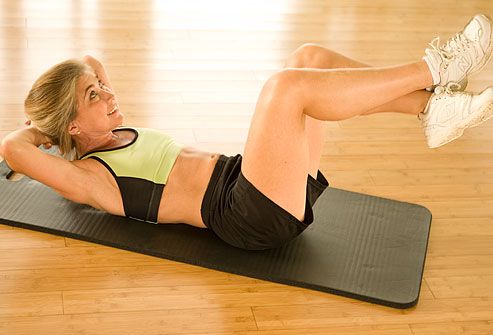
    No. 6: Abdominal Crunches -- Method A

    Begin by lying on your back with feet flat on the floor and palms supporting your head. Press your lower back down. Contract abdominals and raise first your head (tucking your chin slightly), then your neck, shoulders, and upper back off the floor


    If you would like to contact us with any questions or feedback, you can reach us by email.


    Thank You for Visiting!
    Joseph A.Jones & The WellLife Team

    Friday, September 16, 2011

    Seven Highly Effective Exercises (Part 1 of 2)


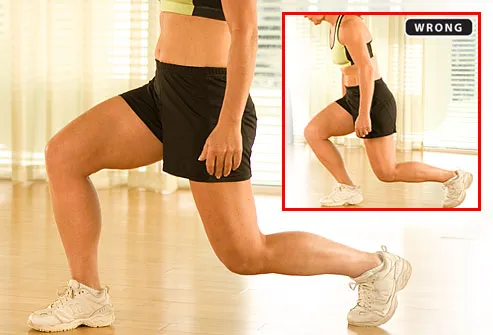
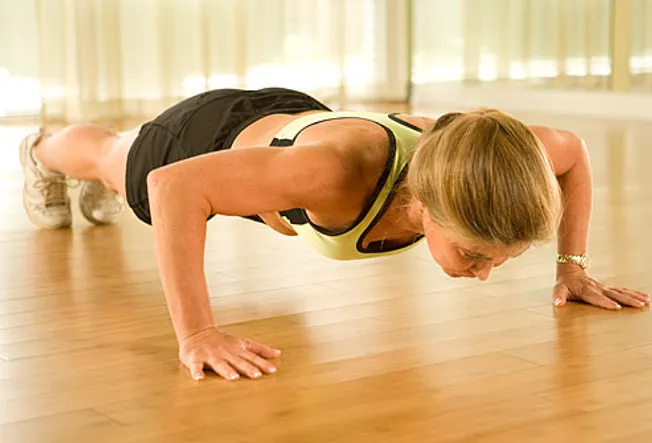
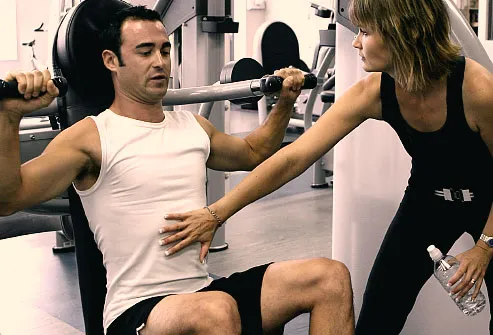
             There is so many workout routines available.It is very hard to keep track on which ones are truly effective. The choice to choose the right ones can save you time and future headaches. So,Web MD has compiled seven effective exercises that should be considered in your workout routine.


    If you would like to contact us with any  questions or feedback, you can reach us by email.


    Thank you for visiting !
    Joseph A. Jones & The WellLife Team

    Wednesday, September 7, 2011

    How to Get Started in Running


    Sometimes you want to do something but you are unsure how to begin. That can certainly be the case with running. You want to know how to start and get better without burning out and quitting.

    Runners World  developed a great program for beginners.

       It is called The Get Started Plan - This is how it works :

    With the Get-Started Plan, you'll ease your way into a regular walking routine. It starts you out slowly, to build your confidence and reduce your risk of injury.

    Even at a moderate pace, you'll reap many benefits. ("Moderate" means you're moving fast enough to get your heart pumping but not so fast that you become out of breath.)

    Almost immediately, you'll notice improvements in your flexibility, your energy level, and your mood.
    After the second week of the program, your workouts will feel easier a sign that your heart is getting fitter and your legs are getting stronger.

    WeekDuration (min)Frequency (days/week)Intensity
    1103Moderate
    2154Moderate
    3205Moderate
    4305Moderate


    During week 1 of this program, walk at a speed that feels comfortable for you. Then in weeks 2 through 4, pick up your pace a bit, as though you're in a hurry to get somewhere.

    Note : Please consult your medical doctor before trying this or any physical  activity.


    If you would like to contact us with any questions or feedback, you can reach us by email.


    Thank You for Visiting !
    Joseph A. Jones & The WellLife Team