Showing posts with label Joseph A Jones. Show all posts

Friday, June 28, 2013

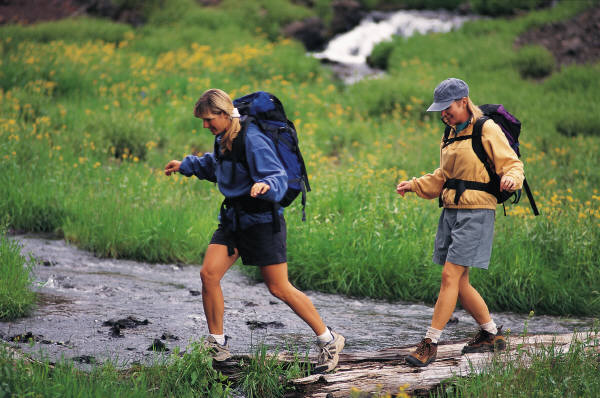
Outdoor Summer Exercise


We love the summer. It gives us more opportunities to get outdoors and exercise. To break from your normal summer  exercise regime or to try something different, we wanted to give you some new outdoor exercise options. Here are our findings.

1.Skipping-rope. Haven't skipped rope or played a little Double Dutch with your friends since you were in grade school? Well, it's time to pick up an old habit. It's fun, trendy, and family-friendly. Get the kids involved and get everyone's fitness curve on the upswing. Women all around the country have rediscovered jump-rope, both as a means of getting in shape and as a healthy form of competition. There are exhibitions and festivals going on throughout the United States and Europe. As for weight loss, twenty minutes of jumping is the equivalent of an hour of aerobics. The best part is that skipping-rope is a great lower-body workout.

2. Geocaching. This fun, walking-intensive activity - essentially a technological scavenger hunt - is sweeping the nation. All you need to participate is a hand-held GPS device. Here's how it works: people hide objects almost anywhere you could imagine (the caches), and list them online only by their latitude and longitude. Geocachers become members of these online groups and select caches to find based on general location and difficulty of the search. Caches are inexpensive, fun and quirky. When you find a cache, you leave something else for the next person. To learn more, go to www.geocaching.com.

3. Yoga at dawn. For you early risers, join the ranks of yoga enthusiasts who
spread their mats on the beach as the sun makes its appearance for another day. Yoga has both physical and psychological benefits that often seem enhanced when combined with awe-inspiring natural events. Alternatives to practicing your asanas (yoga poses) at dawn include yoga in the moonlight and yoga in a quiet glade.

4. Fitness trails. Instead of simply biking, jogging or hiking, check out a fitness trail near you. Fitness trails are paths that have a series of stations featuring different exercises. As you jog down the trail, you periodically come upon a chinning bar, parallel bars or, perhaps, a horizontal ladder, all designed to give a different part of your body a workout. Fitness trails are often sponsored by colleges, community groups or your city government, so there's probably one nearby.

5. Amateur leagues. It may seem as if we've become a nation of couch
potatoes, getting our thrills vicariously through our local university or professional sports teams. In reality, amateur participatory sports are alive and well. If you love baseball, why not find a local league designed for people just like you? Most cities and towns have organized programs in baseball, softball, basketball and soccer that are perfect for adults and kids of all ages. It's great weather for sports, so join in, have fun and get fit.


 This list should assist you with more exercise choices this summer. Thank you to netquote.com for their insight concerning this topic.  If you would like to contact us with any questions or feedback, you can reach us by email.

Thank you for visiting!
Joseph A. Jones & The WellLife Team


Thursday, February 7, 2013

Exercise Ideas for Couple's on Valentines Day


Valentines Day is arriving very soon. We enjoy the romance and everything but it would be nice to do something healthy and together. So, we need to find some fun exercise ideas for Valentines Day. We did just that for you. Here are our findings.

Sign Up for a Valentine's Day Race

Calories Burned: 288 calories per 30 minutes of running

Whether you're a seasoned runner looking to PR or a recreational runner looking for some fun; attached or unattached, get your heart pumping and celebrate Valentine's Day at a race. Usually themed runs are fun, laid back, and offer tons of entertainment and food. Why not make this Valentine's Day healthy and fun?

Take a Fitness Class

Calories Burned: 477 calories per 60 minutes of intense aerobic exercise

Break a sweat together as you lift weights and boost cardio. You and your partner can motivate each other to work out. This is a great way to push yourself to new heights. If you're single, sign up a singles fitness class. Meet your mate while doing something you like to do.

Dance, Dance, Dance

Calories Burned: 342 calories per 60 minutes of moderate dance

Whether you want to improve your wiggle dance or learn how to tango, dancing will get your heart rate up. Not only can you improve your coordination skills, but there's also something sensational about dancing with your partner. You don't have to be a pro to learn how to dance, be open-minded, have fun and watch your significant other move. Or, grab your friends for a fun evening of music and dancing.

Lace-Up Some Skates

Calories Burned: 342 calories per 60 minutes

Hold hands as you skate around a roller rink or ice rink and pretend you're a kid again. Spin and jump as you show off your amazing skating skills. Even if you're not an Olympic skater, trying a few tricks is always fun. You might end up with a few bumps or bruises, but just think about how much laughter will occur because you just let go and have fun.


Go Rock Climbing

Calories Burned: 747 calories per 60 minutes of rock climbing

Indoors or outdoors, rock climbing builds trust and confidence between you and your partner. Plus, rock climbing is a great way to build muscle. Challenge yourself; try something new and adventurous.

 These are fun activities that you can do with your loved one. A big thank you goes to active.com for their useful information concerning this topic. If you would like to contact us with any questions or feedback, you can reach us by email.

Thank you for visiting!
Joseph A. Jones & The WellLife Team

Wednesday, January 9, 2013

How To Set Up An Exercise Routine


A New Year is here. There are many people that want to start to exercise but have trouble with finding a proper exercise routine. That results in frustration and giving up  an opportunity to become healthy. Well, help is on the way. From our research , we found a realistic and easy way to follow an exercise routine.

A well-rounded program includes cardio, weight training and flexibility. Knowing how to put these together in a week of workouts can be confusing. Should you do cardio and strength training on the same day? Which one should you do first? This will depend on your goals, schedule and fitness level, which means there are endless ways to set up your workout program. Below are some basic guidelines for getting started with a complete exercise program.
  • For Beginners: You should start slowly with a basic cardio program and a full body resistance training routine. You'll want to have recovery days to allow your body to rest and your muscles to heal from your new routine. A typical beginner program will include about 3 days of cardio and 2 days of strength training. If you're not sure about your fitness level, you can take the quiz, What's Your Fitness Level? to get insight and resources to help you get started. Below is a sample schedule just to give you an idea of a typical week of workouts
  • Sample Routine for Beginning Exercisers

  • Monday: Cardio 20-30 minutes. You can choose from one of the following Sample Cardio Workouts:
    Tuesday: Total Body Strength and core training. You can choose from one of the following Sample Strength Workouts:
    Wednesday: Rest or gentle yoga/stretchingThursday: Cardio-20-30 minutes. You can choose from one of the following Sample Cardio Workouts:
    Friday: Total Body Strength and core training. You can choose from one of the following Sample Strength Workouts:
    Saturday: Cardio-20-30 minutes. You can choose from one of the following Sample Cardio Workouts:
    • For Intermediate Exercisers: If you've been exercising for a while and your goal is to lose weight, you want to shoot for 20-60 minutes of cardio about 5 or more times a week. Your strength training schedule will depend on what type of workouts you're doing (e.g., total body training or a split routine). You can do cardio and weight training on the same day, depending on your time constraints. It doesn't matter which one you do first, so vary your routine and try different combinations to find the one that is right for you.

    • Sample Split Routine for Upper and Lower Body:
    Monday: 30-Minute Cardio Medley Workout, Upper Body TrainingTuesday: 45-Minute Treadmill Interval Workout, Core Training
    Wednesday: 30-Minute Low Impact Cardio Blast Workout (2 circuits), Lower bodyThursday: Rest, stretch or yoga
    Friday: Total Body Strength or Circuit TrainingSaturday: Cardio-60 minutes, stretch
    • For Intermediate/Advanced Exercisers: If you're more advanced, you can split your routine further, focusing more attention on each muscle group. You can also increase the intensity of your cardio, incorporating interval training and other advanced techniques to burn calories and build endurance. 


    Now this should get you started on a realistic exercise routine and be sure to click the links for further information.Your road to health starts now.We thank about.com for this insightful article.If you would like to contact us with any questions or feedback, you can reach us by email.

    Thank you for visiting!
    Joseph A. Jones & The WellLife Team

    Tuesday, November 13, 2012

    How To Work Off Those Thanksgiving Day Calories


    Okay , we love the holidays like Thanksgiving but we do not like the temptation it brings and the guilty aftermath of eating too much. This year should be different. Indulge, in fact eat whatever you want. It will get those tempted feelings out of your system. Once you are done indulging, there are ways to burn those holiday calories away. Here is some exercises that you can do to get rid of them.


    Swimming
    1. Swimming laps moderately for 20 minutes will burn 158 calories.

    Football
    2. 20 minutes of football burns 158 calories.

    Jog
    3. A 20-minute jog burns 197 calories.

    Walking
    4. Burn 158 calories by walking briskly for 40 minutes.

    Cleaning
    5. 44 minutes of cleaning burns 152 calories.

    Stretching
    6. Stretching for 15 minutes burns 59 calories.

    Bike Ride
    7. A 23-minute bike ride at a moderate pace will burn 181 calories.

    Hiking
    8. Hiking for an hour and 35 minutes will burn 561 calories.

    Bowling
    9. Take the family bowling for an hour and burn 180 calories.


    This is a useful list that you can follow to get rid of those extra calories from the holidays. Thank you to examiner.com for their invaluable research. If you would like to contact us with any questions or feedback, you can reach us by email.

    Thank you for visiting!
    Joseph A. Jones & The WellLife Team


    Monday, October 15, 2012


    Doesn't that look relaxing. Nature walks are a wonderful way to exercise and to relax at the same time. Now, they even have evidence showing all of the health benefits of this form of exercise. Here is what they found.


    Scientists have some advice for you. Advice, it turns out, that your mother already told you a long time ago: Go play outside.But, it turns out mother was only partly right. John Jonides, University of Michigan professor of psychology and neuroscience, and graduate student Marc Berman have one big condition to that advice: A walk in nature sharpens the mind, but a walk in the city does not.


    They found this out by performing an experiment that they published in the journal Psychological Science. They gave volunteers memory and attention tests and then sent them out on a walk. Sometimes they got instructions to walk in the university’s urban home of Ann Arbor and other times they walked through a nearby arboretum.


    Berman says they then tested their memory and attention again and “found that when the participants returned from the nature walk, they showed a 20 percent improvement (in the tests) but showed no improvement when they returned from the urban walks.”


    Why the difference? It has to do with something called the Attention Restoration Theory. It says we all have two kinds of attention. Directed attention is when we pay attention to something because we need to — like work, or school, or something else that takes a lot of concentration. We eventually tire, often lose focus, and need to take a break.


    The other kind is “involuntary attention.” It captures your attention simply because it interests you. What’s interesting might vary from person to person, but as Berman says, “You don’t hear very many people say, ‘Boy I really got tired out looking at that waterfall.’”He adds, “The idea behind the theory is that if you’re in an environment that’s rich with inherently interesting stimulation, it’s going to activate the involuntary attention and allow the directed attention to rest.”


    But an urban walk has lots of interesting things, so why doesn’t it work? Says Joindes, "When you’re walking in an urban environment you need to be careful that you don’t get run over by a car, you have to be careful that you don’t bump into somebody walking down the street." In other words, your brain is still in work mode.


    But in a nature walk, says Berman, “There typically isn’t this distracting stimulation, so the person can kind of defocus in some sense, or mind-wander.”While the researchers tested only a nature versus urban walk, there could be other ways to defocus for a while. Berman notes that “a museum might have similar effects” because there’s interesting stimulus but no distractions “where you need to be vigilant.”


    One might think that the volunteers did better because the walk put them in a better mood, but the researchers also tested the volunteer’s moods both before and after the walks and found that didn’t correlate with the test results.


    In fact, the researchers also tested the volunteers in all kinds of weather, from pleasant summers to the rough winters of Ann Arbor. Says Berman, “When people walked in cold weather they still got the same (cognitive) improvement as in the warm weather. They just didn’t enjoy the walks as much.”


    But what if you can’t go outside? The researchers did a second experiment where they had people just quietly look at pictures. Just like for the walks, when the pictures were of nature, scores went up, but volunteers who looked at pictures of cityscapes showed no improvement.


    Berman says this has implications for planners, “in terms of how they’re designing living environments,” or by those designing work environments in order to help them “get better productivity from employees.”


    This research was published in the December 2008 issue of Psychological Science and was funded by grants from the National Science Foundation and the University of Michigan.


    Since it is fall, there is no excuse to go outside and have a  nice relaxing nature walk. If you would like to contact us with any questions or feedback, you can reach us by email.

    Thank you for visiting!
    Joseph A. Jones & The WellLife Team

    Monday, September 3, 2012

    Fall Fitness Advice


    It is now entering Fall. That means we need to make changes to our fitness routine while we still keep that active lifestyle intact. So , we researched and found a great article from WebMD.com that offers practical advice and suggestions for fall fitness. This is what they found.


    1. Take advantage of the weather. Fall can be a treat for the senses: the crisp air, apple picking, pumpkin carving, a gorgeous canopy of fall foliage, and the crunch of leaves underfoot. These months are a great time to exercise outdoors and enjoy cooler temperatures.
    "Walking, hiking and cycling are all awesome in the fall," says Todd Durkin, MS, fitness coach and owner of Fitness Quest 10 in San Diego, Calif.
    Discover park trails and take in some new scenery, whether you're walking, biking, or in-line skating, he suggests.
    In places where snow falls early, try cross country skiing or snowshoeing. Or, if you live near the beach, get out and play volleyball, throw the Frisbee around, or play a vigorous game of fetch with your dog.
    "It's a great time to do beach activities because it's so much less crowded," says Price.
    If you're near a lake, try kayaking or canoeing, for an excellent whole-body workout and a great change of pace.
    And remember, it doesn't have to seem like exercise to be a great workout.
    "Raking leaves or doing some fall outdoor yard work is a great way to get the heart pumping, and it's great calorie-burning," says Freytag.

    2. Think outside the box. Always wanted to learn to tap dance? Attempt to box? Master the jump rope? Ask any schoolchild: Fall is a great time to learn something new.
    Many classes at gyms and elsewhere get started in the fall, so look around and see if something intrigues you.
    And with the kids in school, parents have more time to check out those classes, Freytag says.
    Fall is the perfect time to gain new physical skills, Price says, because you burn fewer calories when you begin a new activity (thanks to the learning curve). If you learn something new now, by next summer, you'll have mastered the skill -- and you'll burn more calories doing it, just in time for swimsuit season.

    3. Be an active TV watcher. Many people get geared up for fall premieres of their favorite television shows, says Freytag. "If you're going to sit down and watch hours of TV, get moving," she suggests. "Make a date with exercise and TV."
    While you watch, you can walk or run in place, do standing lunges, do tricep dips off the couch, or lift weights. During commercials, do push-ups or sit-ups. In a one-hour show, you probably have close to 20 minutes worth of commercial interruption.
     
    4. Integrate exercise into your life. You already know the obvious suggestions: park farther away from your destination; take stairs instead of elevators; take a walk during your lunch break. Here are a few that are less obvious:
    • If you're spending the afternoon taking kids to soccer practice, instead of reading a book or visiting with another parent, "why not walk around the outside of the field while they practice?", suggests Price. "Or (if you feel comfortable) warm up and cool down with the kids."
    • Or try "walking meetings," like those Price and his colleagues at Biomechanics often hold. '"We go for a walk, we brainstorm, and we figure out who's going to take what responsibilities," says Price. "'Things get achieved much more quickly," he says, and everyone feels better for doing it.
    • You can even get moving while you get motivated -- for fitness or other life goals. '"Get some inspirational music or find a motivational talk and download it to your iPod," suggests Durkin. Walk while you listen for 30 minutes.
    5. Rejuvenate yourself. Fall is the time to rejuvenate body, mind and spirit, says Durkin. Get a massage after your run. Learn to meditate. Take an art class. Treat yourself not just with exercise but other activities that promote wellness, he says, so you can feel good physically, mentally, emotionally, and spiritually.

    6. Remember the 30-day rule. "'It takes about four weeks for the body to adapt to lifestyle changes," says Price. That's why people who give up on their fitness programs tend to do so within the first 30 days.
    So, when the alarm goes off in the morning and it's darker and colder, don't roll over and hit the snooze button.
    "Try to stick with a program for a month," Price says. "After a month, behavior patterns will have adapted and it will be much easier to stick with it after that."

    7. Strive for the 3 Cs. Freytag calls commitment, convenience, and consistency "the three Cs", and says having all three will lead to a successful fitness program.
    First, exercise takes commitment. When a client complains to Freytag about a lack of time, she responds: "Tell me something I haven't heard before. We're all busy; that's just part of our lives.

    8. Deal with darkness. The best way to enjoy fall is to exercise outdoors. But it is getting darker earlier, and staying dark later in the morning, so be smart and safe.
    "Just because it's 6 p.m. (or a.m.) and dark doesn't mean you can't work out," says Durkin. If walking or running outdoors, he says, "wear a reflective vest and carry a flashlight."
    When cycling, affix a light to your helmet or bike.
    If possible, use trails or a local school track to avoid vehicle traffic. Try to work out at the same time every day, so drivers get used to seeing you.

    9. Dress in layers. When exercising outside, layer your clothing. Before your body warms up, you may feel chilled, but once the blood gets pumping, you'll feel overdressed.
    These days, there's no lack of great weather gear. Freytag and Price recommend clothing with wicking, often called "DriFit."' This fabric wicks moisture away from your skin so you're not exercising with wet fabric hanging on you.
    Freytag suggests three layers: "The inner layer should be a moisture-wicking fabric, so it wicks away sweat and you're not chilled. The second layer should be a warmth layer, and the third layer should be a protective layer (like a windbreaker or rain slicker, depending on the weather)."
    "And don't forget the sunglasses," she warns. UV protection is important year round. Fall sun can be blinding at certain times of the day.

    10. Find your motivation. "People are motivated by different things," says Durkin. It's important to first discover what your individual goals are, whether it's losing weight , strengthening and toning, or preparing for a race or event, says Durkin.

    These are effective ways to stay fit as we enter into the fall season. If you would like to contact us with any questions or feedback, you can reach us by email.

    Thank you for visiting!
    Joseph A. Jones & The WellLife Team

    Wednesday, June 13, 2012

    How To Warm Up And Cool Down


          The devil is in the details.You can have the knowledge , stamina  and equipment which is still not enough in being injury free in fitness. Many people miss a crucial topic which is warming up and cooling down. Failure to do so can affect your overall health and even cause serious energy. We found some real practical advise from Web MD that you can use so you can be injury free in your fitness routines.

    Why warm up and cool down

    There's some controversy about whether warming up and cooling down offer health benefits. But proper warm-ups and cool-downs pose little risk, so if you have the time, consider adding them to your workout schedule. Warm-ups and cool-downs generally involve doing your activity at a slower pace and reduced intensity.

    Warming up may help prepare your body for aerobic activity. Warming up gradually revs up your cardiovascular system, increases blood flow to your muscles and raises your body temperature. Jumping into an aerobic workout without preparing your body could lead to such problems as muscle strain or injury.

    Cooling down after your workout may help gradually reduce the temperature of your muscles, especially if you've had an intense workout. Cooling down may help reduce muscle injury, stiffness and soreness, but the research is uncertain.
    How to warm up

    Warm up right before you plan to start your workout. In general, warm up by focusing first on large muscle groups, such as your hamstrings. Then you can do exercises more specific to your sport or activity, if necessary. A warm-up may cause mild sweating, but it shouldn't leave you fatigued.

    Here are some examples of warm-up activities:
    • To warm up for a brisk walk, walk slowly for five to 10 minutes.
    • To warm up for a run, walk briskly for five to 10 minutes.
    • To warm up for strength training, move your muscles and joints through the movement patterns you'll do during the exercise, but before you start with weights.
    • To warm up for soccer, do slow, soccer-specific running drills.
    • To warm up for swimming, swim slowly at first and then pick up the tempo as you're able to.

    How to cool down

    Cooling down is similar to warming up. You generally continue your workout session, but at a slower pace and reduced intensity. Cooling down may be most important to the best athletes, such as well-conditioned marathoners. For them, cooling down is important because it helps regulate blood flow. For others, cooling down may simply become an enjoyable ritual as part of an overall exercise program.

    Here are some examples of cool-down activities:
    • To cool down after a brisk walk, walk slowly for five to 10 minutes.
    • To cool down after a run, walk briskly for five to 10 minutes.
    • To cool down after biking, spin on your bicycle at higher revolutions per minute (around 100) as you finish your exercise.
    • To cool down after swimming, swim some leisure laps for five to 10 minutes, varying your strokes.
    A Word About Stretching 

    Consider adding stretching to your cool-down session. Stretching can increase blood flow to your muscles. Stretching may also help improve your performance in some activities or decrease your risk of injury by allowing your joints to move through their full range of motion.

    If you have a tight or previously injured muscle, stretch the affected muscle after you warm up. Hold each stretch for about 30 seconds. And remember to keep it gentle. Don't bounce. Don't stretch to the point of pain. Sudden or aggressive stretching motions may actually cause an injury or worsen and injury.

    Be kind to your body

    Finding time for regular aerobic workouts — plus warming up and cooling down — can be challenging. But if you're tempted to skip warming up and cooling down, get creative. If you walk to a fitness facility, use the trip there and back to warm up and cool down. Remember, be kind and give your body time to adjust to the demands of your workout.

    Now you are empowered with all of the details to have a safe and successful workout. If you would like to contact us with any questions or feedback, you can reach us by email

    Thank you for visiting! 
    Joseph A. Jones  & The WellLife Team 


    Wednesday, April 4, 2012

    Outdoor Easter Activities


    It is already April and Easter is approaching. Easter being a religious holiday is also a beginning time of spring when people go outdoors and enjoy the wonderful weather. So, we found fun Easter activities that will keep us moving for the holiday by Livestrong.com.

    These are their findings:


    Obstacle Course
    An Easter-themed obstacle course gets all of its participants moving. Each player needs a spoon and either a hard-boiled egg or a plastic Easter egg. The players balance the egg on the spoon while navigating an obstacle course set up in the back yard. Ideas for obstacles include sawhorses to climb under, Easter baskets to weave through and plastic eggs scattered on the ground that the players have to tiptoe around to avoid smashing them.


    Egg Rolling

    Each player needs a different color of hard-boiled egg for this game, suggested on the Amazing Moms website. Place one white hard-boiled egg in the middle of the lawn or patio. Each player takes a turn rolling his hard-boiled egg. The goal is to get the colored egg to stop closest to the white egg. Keep extras of each color on hand in case one of the eggs cracks or gets squashed during the game.


    Easter Egg Toss 

    This outdoor Easter game requires players to toss eggs back and forth without dropping them. Any type of egg works for this game, including raw, hard-boiled or plastic eggs. Real eggs, whether or not you boil them, will make a mess when dropped or tossed too hard, adding a layer of messy fun to the game. Pairs of players start close together with only a few feet between each member of the pair. After successfully tossing and catching the egg, the pairs move back a step each for a greater distance and another toss. Continue widening the gap to make the game more of a challenge.
    Easter Egg Hunt Variations


    Easter Egg Hunt Variations 

    Give a regular Easter egg hunt a twist for an interesting outdoor game. One option is to organize a treasure hunt instead of an Easter egg hunt. Create a map with locations marked for different Easter treats. You might leave eggs, baskets or small Easter toys in each marked location. Include a larger basket at the end of the treasure hunt. Another variation, suggested on the Kaboose website, is to write a letter on each egg. After the kids collect their eggs, they use the letters to spell out as many words as possible. A special prize goes to the child who creates the most words from her letters.

    These activities are timeless and fun for the entire family. If you would like to contact us with any questions or feedback, you can reach us by email

    Thank you for visiting! 
    Joseph A. JonesWellLife Team 

    Monday, March 5, 2012

    Outdoor Workout Guide


         Spring has arrived. It is a wonderful time of the year to get outside and exercise. These workouts  are invigorating and give us a chance to be with nature. Here are some exercises that you can do in the great outdoors without equipment using nature around you.


    Walking Lunges -Click to view the video

    Focus on proper technique. Make sure your knee does not go past your ankle.
    Muscles Worked: Lower extremity, focus on quadriceps.
    Starting Position
    Start with your feet together. If you want to use dumbells, hold them in your hands with your palms facing your thighs.
    Action
    INHALE: Perform a lunge with one leg. Make sure that your knee is not past your ankle.
    EXHALE:Instead of returning to the starting position, bring your other foot even with the one that just completed the lunge.
    Tips
    MAKE SURE THAT YOUR FRONT KNEE DOES NOT GO PAST YOUR ANKLE. You may need to readjust by stepping out further. Hold onto a wall if you need to for balance


    Decline Push Up on the Bench - Click to view the video
    Find a park bench to do these on.
    Muscles Worked: Pectorals, triceps, biceps, shoulders.
    Starting Position: Place your hands shoulder-width apart on the bench. Bend your elbows and place your hands palm down on the floor beside your chest. Place your feet about an inch apart. Extend your elbows and hold yourself up on your toes. Make sure your back is in line with your lower legs. Stay as straight as possible.
    Action: Slowly bend your elbows to lower your chest to the bench. Keep your back and legs as straight as possible. Stop just before your chest touches the bench.
    Push back up to return to the starting position.


    Tips:
    1.     Exhale as your push up off the floor, inhale when you lower your chest down to the bench.
    2.     Widen your hands to focus the exercise on your chest.
    3.     Bring your hands closer together to focus the exercise on your triceps.
    4.     Keep your head in the most comfortable position whether it is up or down.


    Calf RaiseClick to view the video
    Find a tree or a street sign to hold onto.
    Muscles Worked: Calves
    Starting Position
    You will need a wall or a sturdy object to grab onto. Place both feet about 2-4 inches apart while holding on to the wall or sturdy object.
    Action
    INHALE: Stand as high as you can on your toes.
    EXHALE:Return to the starting position.
    Tips
    Try to keep your legs as straight as possible. This will help tighten your lower extremity muscles and focus more of the resistance on your calves.


    Side Seated Leg LiftClick to view the video
    Sit on a bench or in the grass.
    Muscles Worked: Glutes, hamstrings.
    Starting Position: Sit on the floor with one knee bent so that your foot is flat on the ground. Fully extend the opposite leg with your toes pointing up. Place your hands with your palms down for support.
    Action: Raise the straight leg 4 to 6 inches off the ground. Move the leg to the side away from the leg that is bent. Go out to the side as far as possible.
    Return the leg to the starting position. Repeat for the determined number of repetitions.
    Repeat the exercise for the other side.


    Tips:
    1.     Keep the leg straight throughout the exercise.
    2.     Keep the rest of your body as still as possible while doing a Side Seated Leg Lift.


    Tricep Dips - Click to view the video
    Use a bench for your Dips.
    Muscles Worked: Triceps.
    Starting Position: Sit on the side of the bench with your feet shoulder width apart. Place your palms to your side on the bench with your fingers facing the front. Let your fingers hang slightly off the edge of the bench so that they curl underneath the bench. Walk your feet out a few inches in front of you so that your glutes are no longer over the bench. Your knees should be at 90-degrees directly over your ankles.
    Action: Bend your elbows and slowly lower your body to the ground. Stop when your elbows are at 90-degrees.
    Push up on the bench with your hands and extend your arms to return to the starting position.


    Tips:
    1.     You may push off with your feet if you need assistance.
    2.     To make the Triceps Dips more difficult, walk your feet out so that they are fully extended.              
    3.     To further increase difficulty, place your feet on a chair or on another bench

    Now, we can workout in the great outdoors without any equipment. Thank You to exercisemenu.com for this useful outdoor workout guide. The video links are a great learning tool to use. If you would like to contact us with any questions or feedback, you can reach us by email

    Thank you for visiting! 
    Joseph A. JonesWellLife Team 

    Wednesday, February 8, 2012

    Benefits Of Couples Exercising Together


            Valentines Day evokes many different  words  for couples to describe their relationships. One word  that is used allot is togetherness. For couples to continually grow and develop their relationship, it is important to do activities together and that includes exercise. We found a great article by Nicole Nichols fitness instructor which describes how this is done and  provides you with  video links.


    The Benefits of Exercising with Your PartnerThe two of you may be at different fitness levels and have different goals, but that doesn’t mean that you can’t exercise together. There are plenty of reasons to give it a try:
    • Safety. With someone else watching your form and being there to spot you when you need it, you’ll exercise more safely than if you were alone. Besides, who cares more about your safety than your soulmate?
    • Quality time. Couples spend most of their time apart due to careers and other responsibilities. Instead of hitting the gym alone, plan a workout time that fits both of your schedules. You’ll reach your fitness goals, without sacrificing that one-on-one time that every partnership needs.
    • A common interest. Add exercise to your list of shared interests and hobbies. The possibility for new, unique activities is endless and keeps things exciting. You can never have too much in common.
    • Motivation and support. Getting encouragement and praise from your partner is one of the best motivators. It’ll help both of you remain consistent and take care of one another.
    • A deeper bond. Exercise produces chemicals in the brain that evoke feelings of happiness, reduce stress, and also increase arousal and libido. Several studies show that men and women who exercise regularly report better (and more frequent) sex with their partners.
    • Respect and pride. Taking care of your body and your health shows the person you care about that you want to be your best for them—and that you want to be around for years to come.
    • Balance. In many couples, one partner tends to favor cardio (typically women) while the other tends to favor strength training (typically men). By working out together you can balance your workout program to include more of both. Let your partner teach you about the areas of fitness you’re unsure of and be open to new fitness experiences.
    Wondering how working out as a couple might work in the real world—especially when you’re both at different fitness levels? Here are some great ideas to get you started:
    • Sign up for a class together. While a class like salsa dancing is perfect for couples, other classes will work just as well. Consider trying something new that interests you both: martial arts, an indoor climbing clinic, yoga (including Partner Yoga), 5K training, adult swim lessons, or other sports.
    • Do cardio that allows you both to work at your own intensity level. Group classes like Spinning (indoor cycling) allow each participant to cater the workout to their fitness level, meaning that you both get the workout you want—easy, challenging, or somewhere in the middle.
    • Do cardio side-by-side. At the gym, simply pick two cardio machines next to each other and work towards your individual goals. You’ll be together but can each work at your own speed, intensity, incline and resistance level.
    • When walking or jogging outside, try intervals. If you are a slow jogger and your significant other is faster, intervals will be perfect for both of you. Work at one partner’s faster pace for a few minutes, and then recover at the other person’s slower pace. Intervals are also a great way to improve your fitness level and speed over time. Before you know it, you’ll both be able to work at the same pace together.
    • When strength training at the gym, "work in" (switch places) with one another between sets. About 90 seconds of rest between sets is beneficial anyway. So while you rest, your partner can complete one set of the exercise. Switching the weights to your own level is quick and easy to do on most machines. Another time-saving option is to use dumbbells, so that you don’t have to constantly add and remove weight plates when switching between sets.
    • Stretch together. Assisted stretching has major benefits for your flexibility. Giving your partner a gentle tug or soft push in one direction can be helpful—just don’t overdo it.
    • Enjoy the great outdoors. Create a more active lifestyle together by picking up new hobbies. While these may not always count as traditional cardio or strength training, every bit of activity you do will benefit your body and your health. Geocaching, hiking, canoeing, tossing a football, recreational cycling, rafting, camping, and just enjoying a nice, leisurely walk at the end of the day—all of these beat an evening in front of the TV.
    • Change it up. Try your partner’s exercise ideas just as you want them to try yours. If you have trouble agreeing, compromise. Do your walking routine on one day, and your partner’s upper body strength routine the next, for example. Be open-minded, but keep your partner’s needs (fitness level, goals, comfort level) in mind too.
    A Quickie Couple Workout
    Here is a sample plan with exercises and stretches that you can do anywhere together, while both getting a workout suited to your level. This circuit-based workout involves quickly transitioning between strength exercises to increase the aerobic quality of the workout. You can both do these exercises simultaneously, without resting in between—talk about a quick workout!

    Spend five minutes warming up before your workout and cooling down afterwards. Try walking on the treadmill, outside, or marching in place.

    Exercises: Try 8-15 repetitions of each exercise below. Each person should work at their own level, using either the easy, intermediate, or advanced version (each exercise is listed in this order). Complete the whole circuit up to three times.


  • Squats, Wall Squats with Ball, or Single Leg Squat & Bend


  • Hamstring Stretch


  • Modified Lunges, Forward Lunges, or Walking Lunges


  • Quad Stretch


  • Modified Pushups, Pushups, or Two-Part Pushups


  • Biceps & Shoulder Stretch


  • Dips with Bent Knees or Dips with Straight Legs


  • Triceps Stretch


  • Modified Plank or Plank


  • Crunches with Twist or Bicycle Crunches


  • Torso Stretch


  • Back Extension or Superman


  • Bridges, Bridge-ups, or Reverse Plank


  • Gluteal & Outer Thigh Stretch


  •   
     We hope this article provides you with ways that you can spend more time with your soul mate and become  healthier together. If you would like to contact us with any questions or feedback, you can reach us by email

    Thank you for visiting! 
    Joseph A. JonesWellLife Team 

    Friday, January 6, 2012

    How to Choose Running Shoes


          You need to have optimal training advice and equipment to ensure success in fitness for this new year. One of the most underreported information for the athlete is how to choose running and athletic shoes. Not choosing the right shoes can be detrimental to your performance and even cause injury. So, we have provided you with invaluable information  to make that right decision when purchasing  athletic and running shoes. This is what we  found.

    Road Runners or Trail Runners?

    Road running shoes are designed for pavement and occasional forays onto packed surfaces with slight irregularities (fire roads, nature trails, wood-chip paths). Light and flexible, they're made to cushion or stabilize feet during repetitive strides on hard, even surfaces.
    Trail running shoes are essentially beefed-up running shoes designed for off-road routes. They are enhanced with aggressive outsoles for solid traction and fortified to offer stability, support and underfoot protection. If you routinely encounter roots, rocks, mud, critter holes or other obstacles during runs, choose trail runners.


    Tip: If you can't find a trail shoe with the right fit for your running mechanics, it's better to go with a road-running shoe.

    Know Your Feet
    Foot size: You probably know your shoe size already. But if you're unsure or if one foot is larger than the other, it's best to have your feet measured at REI or other shoe retailer with a Brannock device. (That's the flat metal tool with sliders that measure the length, width and the toe-to-ball length of the foot.).Whenever possible, try the shoe on to see if it fits. Shoe lasts (which determines shoe sizes, described below) vary by manufacturer and even from one shoe model to another. You may need a half-size or even a full size smaller or larger than you think.
    Most men wear a D-width shoe while most women wear a B-width. You don't have to wear a gender-specific shoe—the lasts are basically the same. Men: Try a women's shoe if you have a narrow foot. Women: Try a men's shoe if you have a larger or wider foot. If the shoe fits, wear it!
    Arch shape: Here's a simple way to find yours. As you get out of the tub, shower or pool, take a look at the footprint you leave on the bathmat or cement. The shape of your footprint will indicate the type of arch you have. Your arch shape affects the way your foot moves as you run.


    High arch, normal arch and flat arch


    Biomechanics of Running

    Your foot shape is closely related to its movement as you walk or run. The typical scenario: With every stride, your heel strikes the ground first. It rolls slightly inward and the arch flattens to cushion the impact. Your foot then rolls slightly to the outside and stiffens to create a springboard to propel your next step.
    As runners, however, we each experience different levels of these sideways motions as we stride. The key characteristics:
    Pronation is the foot's natural inward roll following a heel strike. Basic (neutral) pronation helps absorb impact, relieving pressure on knees and joints. It is a normal trait of neutral, biomechanically efficient runners.
    Overpronation is an exaggerated form of the foot's natural inward roll. It is a common trait that affects the majority of runners, leaving them at risk of knee pain and injury. Overpronators need stability or motion control shoes.
    Supination (also called under-pronation) is an outward rolling of the foot resulting in insufficient impact reduction at landing. Relatively few runners supinate, but those who do need shoes with plenty of cushioning and flexibility.
    The illustration below shows these mechanics on a runner's right leg:
    Types of pronation
    How can you be sure which running style is yours? A podiatrist or physical therapist could undoubtedly tell you, but a simpler answer is probably in your closet. If you own a well-used pair of running shoes, check the wear pattern on the soles.

    • If you have a neutral stride, shoe wear is centralized to the ball of the foot and a small portion of the heel.
    • Overpronation is identified by wear patterns along the inside edge of your shoe.
    • Supination is marked by wear along the outer edge of your shoe.

    Types of Running Shoes

    Cushioning shoes provide elevated shock absorption and minimal medial (arch side) support. They're best for runners who are mild pronators or supinators. Cushioning shoes are also good for neutral runners during off-pavement runs. Reason: Minor irregularities in surfaces such as dirt roads give feet a little variety from the repetitive, same-spot strikes they typically experience on hard surfaces.
    Stability shoes help decelerate basic pronation. They're good for neutral runners or those who exhibit mild to moderate overpronation. They often include a "post" (see Shoe Construction 101, below) in the midsole. Due to their extra support features, virtually all trail-running shoes fall in the stability category.
    Motion control shoes offer features such as stiffer heels or a design built on straighter lasts to counter overpronation. They're best for runners who exhibit moderate to severe overpronation.
    Here are some general guidelines:


    PronatorsOverpronatorsSupinators
    Foot mechanicsNormal inward rollExcessive inward rollExcessive outward roll
    Foot shapeLow archFlat foot to low archMedium to high arch
    Shock absorption in stride GoodGoodPoor
    Recommended shoe last Semi-curved StraightCurved
    Recommended type of shoe Stability Motion Control Cushioning


    Shoe Construction 101

    Uppers

    This refers to the upper part of the shoe above the sole.
    • Synthetic leather is a supple, durable, abrasion-resistant material derived principally from nylon and polyester. It's lighter, quicker drying and more breathable than real leather. Plus, it requires no (or very little) break-in time and therefore reduces the chance of blisters.
    • Nylon and nylon mesh are durable synthetic materials most commonly used to reduce weight and boost breathability.
    • TPU (thermoplastic urethane) overlays are positioned over the breathable shoe panels (such in the arch and the heel). These small, abrasion-resisting additions help enhance stability and durability.
    • Waterproof/breathable uppers (e.g., Gore-Tex XCR or eVent) use a membrane bonded to the interior of the linings. This membrane blocks moisture from entering while still allowing feet to breathe. Shoes made with these membranes keep feet dry in wet environment with a slight trade-off in breathability.

    Midsole Technology

    Anatomy of a running shoe
    The midsole is the cushioning and stability layer between the upper and the outsole.
    • Synthetic leather is a supple, durable, abrasion-resistant material derived principally from nylon and polyester. It's lighter, quicker drying and more breathable than real leather. Plus, it requires no (or very little) break-in time and therefore reduces the chance of blisters.
    • EVA (ethylene vinyl acetate) is a type of foam commonly used for running-shoe midsoles. Cushioning shoes often use a single layer of EVA. Some will insert multiple densities of EVA to force a particular flex pattern.
    • Posts are areas of firmer EVA (dual-density, quad-density, multi-density, compression-molded) added to create harder-to-compress sections in the midsole. Often found in stability shoes, posts are used to decelerate pronation or boost durability. Medial posts reinforce the arch side of each midsole, an area highly impacted by overpronation.
    • Plates are made of thin, somewhat flexible material (often nylon or TPU) that stiffens the forefoot of the shoe. Plates, often used in trail runners, protect the bottom of your foot when the shoe impacts rocks and roots.
    • Shanks stiffen the midsole and protect the heel and arch. They boost a shoe's firmness when traveling on rocky terrain. Ultralight backpackers often wear lightweight trail runners with plates for protection and shanks for protection and support.
    • TPU (thermoplastic urethane) is a flexible plastic used in some midsoles as stabilization devices.

    Shoe Lasts

    The "last" refers both to the shape of a shoe and also the form, or mold, around which a shoe is constructed.
    When referring to the shape of a shoe:
    • A straight last is appropriate if you are an overpronator or have a flexible, flat arch. It helps to control inward motion.
    • A curved last is designed for underpronators with rigid, high arches. The curved shape promotes inward motion.
    • A semi-curved last represents the middle ground. It is appropriate for neutral pronators.
    Types of shoe lasts
    When referring to the shape of a shoe:
    • Board-lasted shoes are made with a piece of stiff fiberboard glued to the upper and then to the midsole/outsole. These shoes offer the stability and motion control needed by over-pronators.
    • Slip-lasted shoes are made by sewing the upper into a sock which is then glued directly to the midsole/outsole without any board in-between. These are flexible and well cushioned for the supinator.
    • Combination-lasted shoes feature board-lasting in the rear half for motion control and support, which slip-lasting in front for cushioning and flex. This is the most common approach and can be used a wide range of foot types.

    Other Shoe Components

    • Heel counter: This refers to the rigid structure around the heel. It provides motion control and is sometimes supplemented with a heel wedge, which adds support and cushioning to the heel. It can help those runners who are bothered by Achilles tendonitis.
    • Medial post or torsion bar: These are located on the sides of shoes to help control excessive inward or outward motion. They are designed for the over-pronator or supinator.
    • Outsole: The outsole is where the rubber meets the road, so to speak. Most road shoes are made with carbon rubber's hard, durable material in the heel. Blown rubber—which provides more cushioning—is often used in the forefoot. Trail runners tend to have all carbon rubber outsoles to better withstand trail wear, while road racing shoes are frequently all blown rubber to reduce weight.

    Fit and Lacing Tips

    When trying shoes on:
    • Try on shoes at the end of the day. Your feet normally swell a bit during the day's activities and will be at their largest then. This helps you avoid buying shoes that are too small.
    • If you wear orthotics, be sure to bring them along. They impact the fit of a shoe.
    • Consider custom footbeds (insoles) such as Superfeet. Shoe manufacturers tend to provide generic insoles with their shoes since many runners use orthotics or, increasingly, custom footbeds. By using a custom footbed, you get improved cushion, stability and a better fit. These are great for people with back problems or who run long distances.
    Lacing techniques for various foot types:
    Types of lacing techniques

    What About Barefoot Running?

    While wearing shoes seems entirely logical and comfortable, a January 2010 study published in the Nature International Weekly Journal of Science argues that running barefoot may actually reduce injuries. This makes some sense when you consider that for most of human history, runners ran barefoot.
    The Nature article notes that when wearing running shoes, one tends to hit the ground heel first. This is because a shoe heel has an elevated cushion. However, with barefoot runners, it is the mid-foot or forefoot that strikes the ground first. This more-natural foot strike is believed to cause less impact and thus fewer impact-related running injuries.

    A Solution: Minimalist Shoes

    Vibram FiveFingers Of course, running barefoot is hard on tender feet, especially when on rough surfaces. If you're interested in trying barefoot running, first consider minimalist shoes such as Vibram FiveFingers. They are made of a thin, abrasion-resistant polyamide stretch fabric with individual toe slots that look like your foot. They are designed to fit the contour and shape of your foot and let it move naturally. They are worn directly against the sole of the foot. Customer reviews on REI.com have been overwhelmingly positive.
    Also minimalist but with a more substantial platform is the Vibram Bikila. It offers traction for a variety of surfaces, an EVA arch that follows the contour of the foot and a polyurethane footbed for reducing packing over time.
    New to barefoot running or minimalist shoes? Our advice is to start out slowly, then gradually increase your time and distance so your feet get used to using different muscles.

    Now, you will be able to know what to look for when purchasing athletic shoes for your fitness routines. Thanks to rei.com with that in depth information for us to use.If you would like to contact us with any questions or feedback, you can reach us by email

    Thank you for visiting! 
    Joseph A. Jones & The WellLife Team